2026/01/07
License & Commercial Use: MIT + Component Licenses Explained
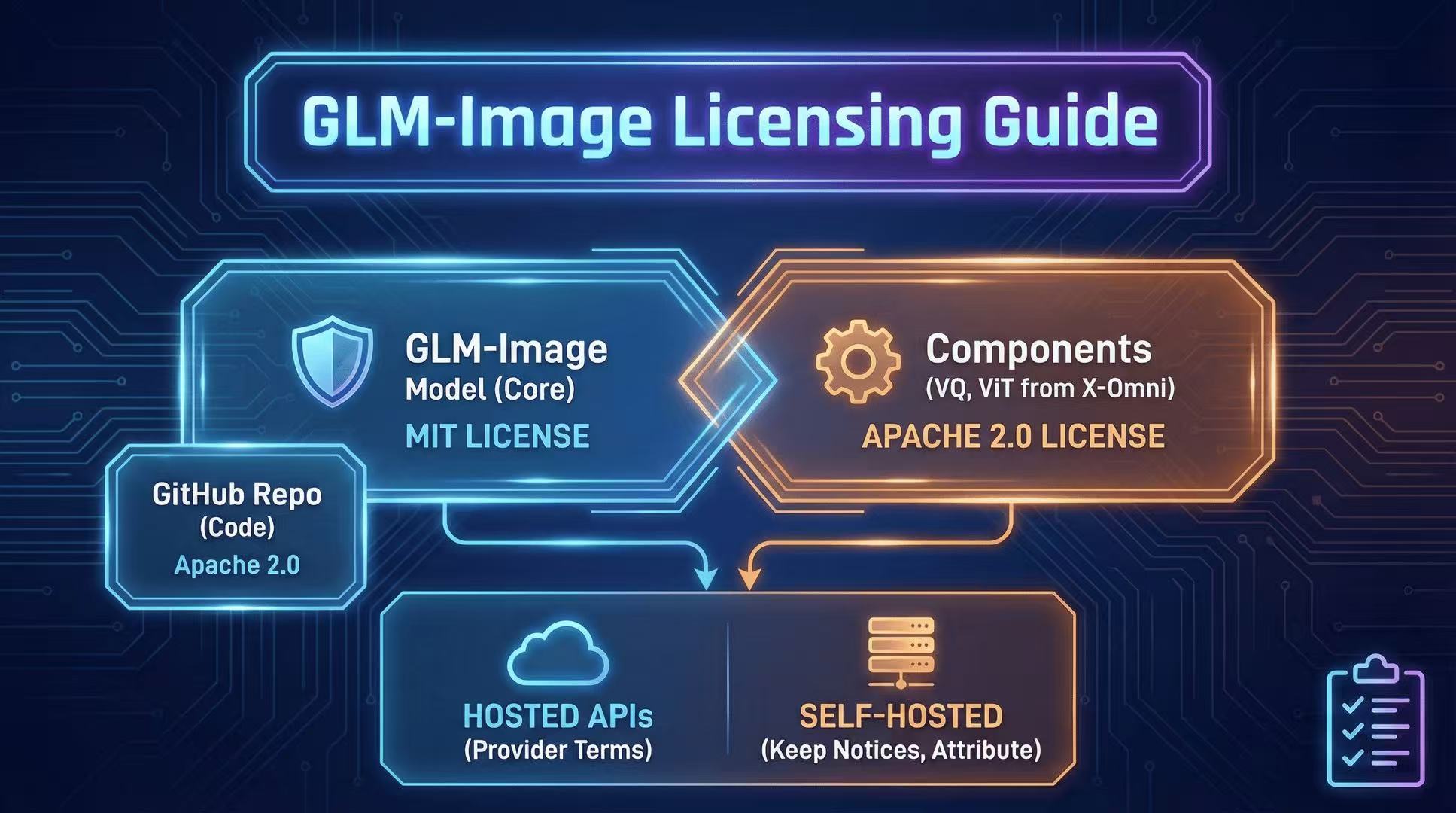
GLM-Image licensing can be confusing. Here's a practical breakdown of MIT for the overall model, plus Apache-2.0 licensed components you must respect.
Not legal advice. If you're shipping a product, get counsel.
The short version
- The GLM-Image model is released under the MIT License (as stated in the project's license note). (Hugging Face)
- The project incorporates VQ tokenizer weights and ViT weights from X-Omni/X-Omni-En, which are Apache-2.0 licensed, and those components remain under Apache-2.0 terms. (Hugging Face)
- The GitHub repository itself shows an Apache-2.0 license for the code repository. (GitHub)
What this usually means in practice
If you use hosted APIs (Z.ai / fal.ai)
You're typically governed by:
- the provider's terms
- plus any relevant model/component licenses (if they pass through obligations)
If you self-host the model
You should:
- Keep LICENSE files + notices
- Track which artifacts are MIT vs Apache-2.0 licensed components
- Include attribution where required by Apache-2.0
A simple compliance checklist
- Document where you obtained weights and which commit/version
- Preserve MIT + Apache-2.0 notices in your distribution
- Keep a
THIRD_PARTY_NOTICES.mdlisting X-Omni components - If you redistribute, include license texts appropriately
More Posts
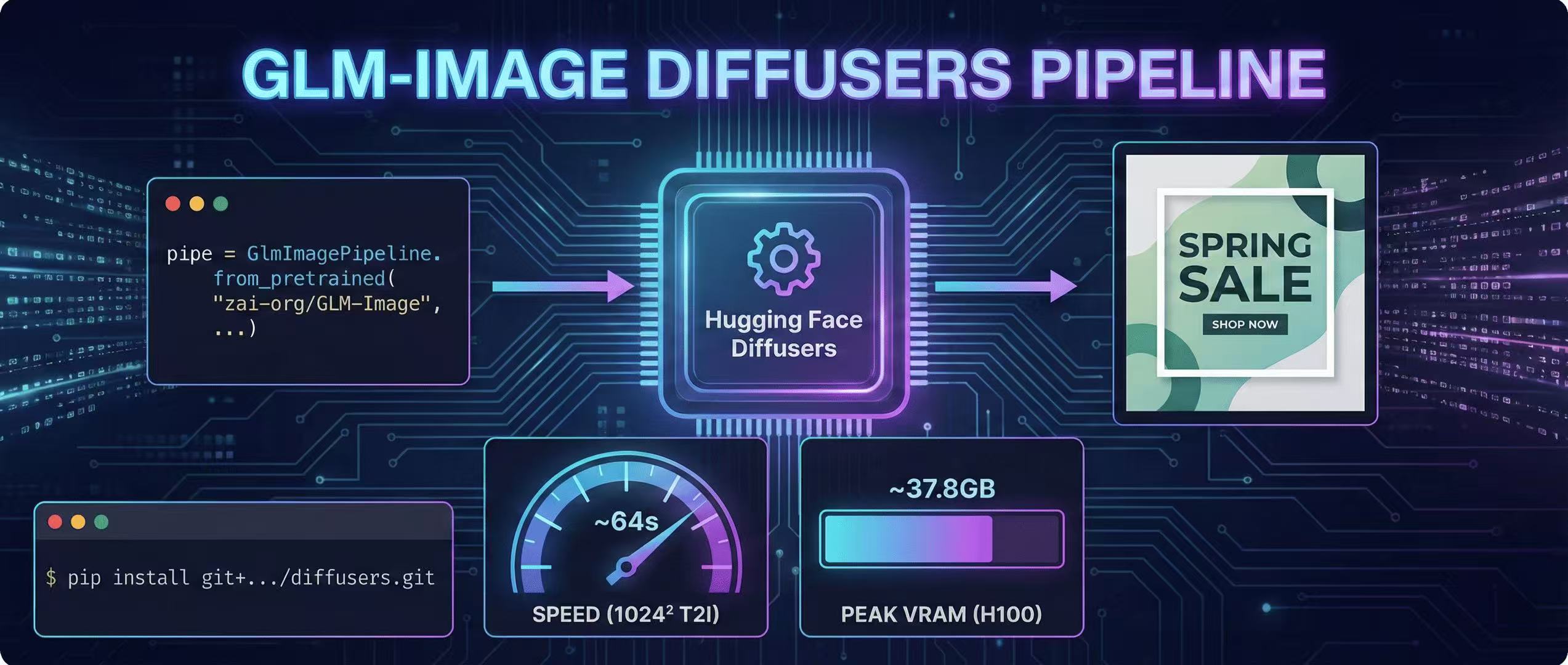
Diffusers Pipeline Walkthrough + Speed/VRAM Notes
A step-by-step GLM-Image guide using Hugging Face Diffusers, including install, code, and real VRAM/time estimates.
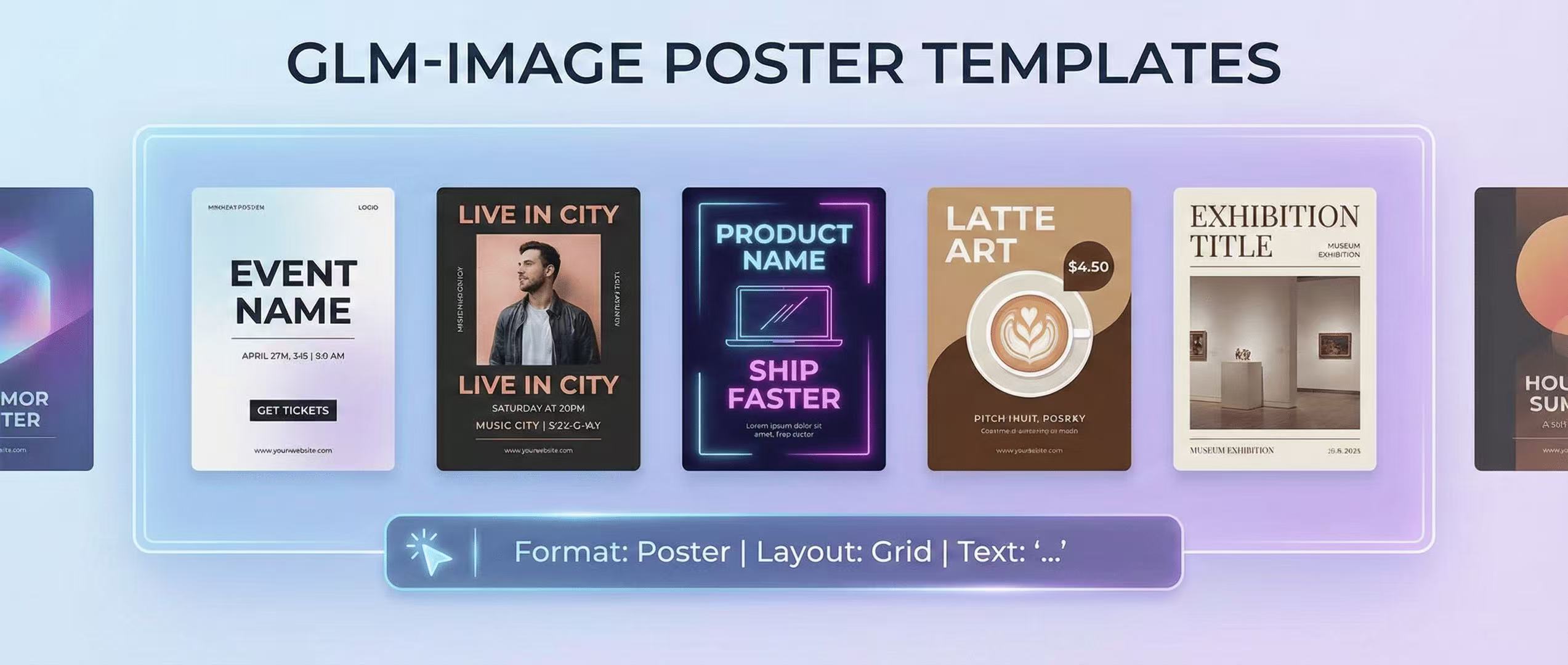
GLM-Image for Posters: 10 Prompt Templates That Actually Render Text
A practical prompt library for poster design with legible typography using GLM-Image—layout recipes, font controls, and 10 copy-paste templates.
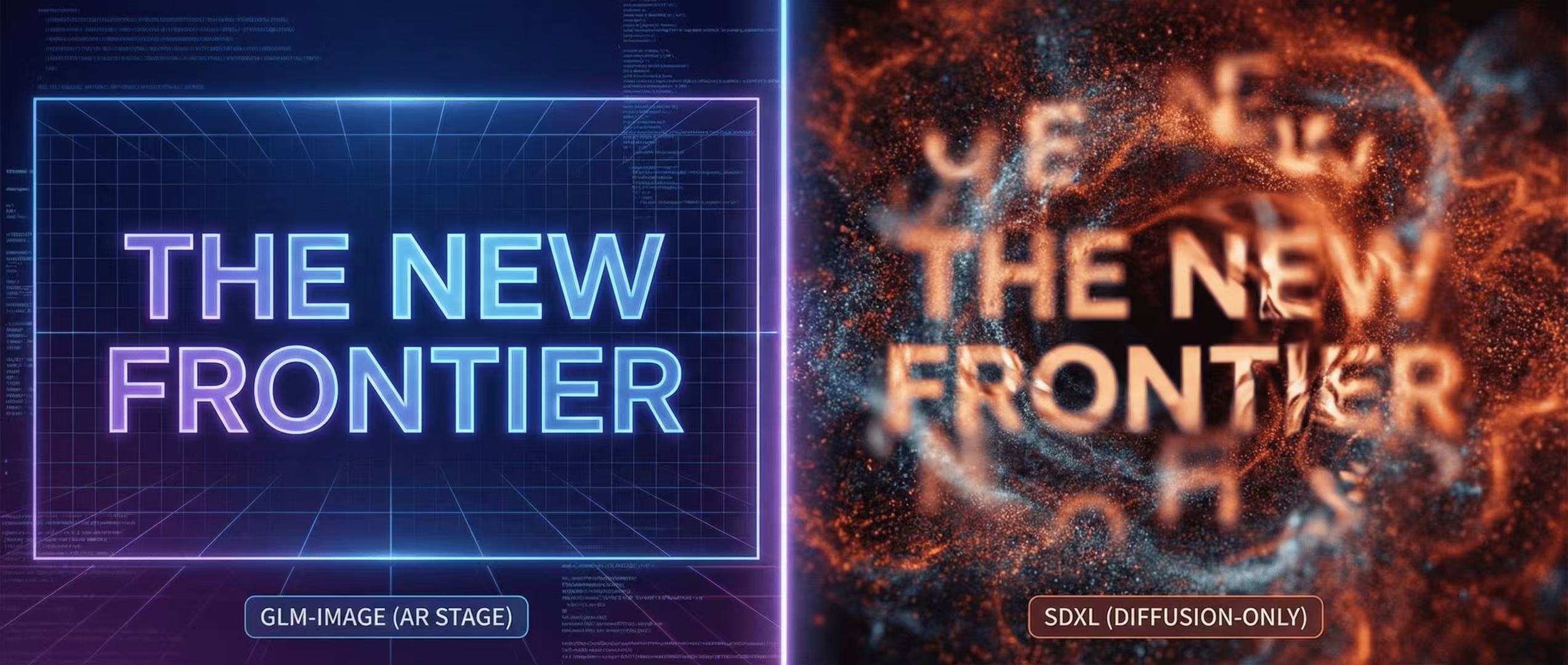
GLM-Image vs SDXL: Why Text Rendering is the New Frontier
A side-by-side comparison of text fidelity in complex layout generation. See why GLM-Image's AR stage outperforms traditional diffusion-only models.